
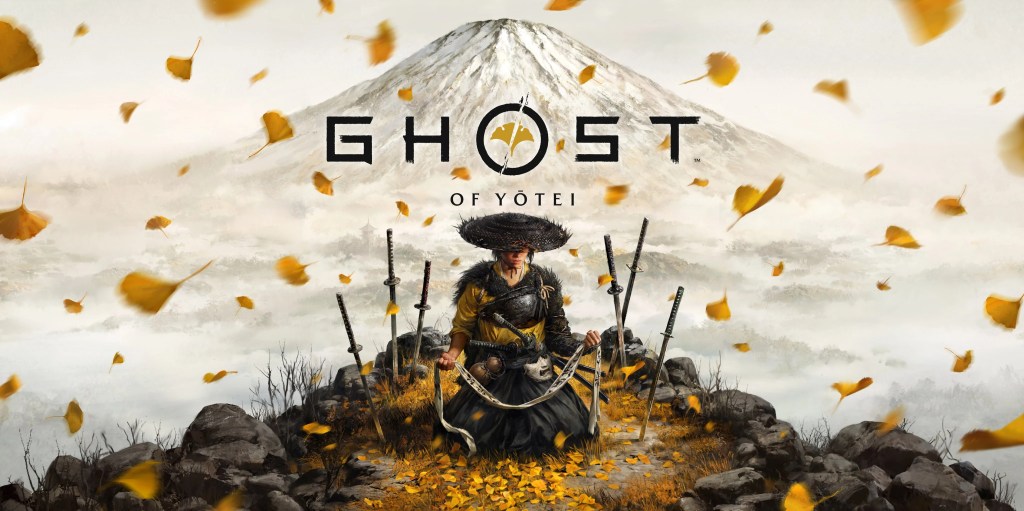
After weeks of following golden birds and exploring the world of Ghost of Yotei to its fullest, I finally completed the main story of the game! Ghost of Yotei is an action RPG set in an expansive open world. The game is a sequel to the 2020 Game of the Year nominee Ghost of Tsushima, developed by Sucker Punch Productions and published by PlayStation Studios. This release is one of Sony’s major PS5 exclusives for the year and a solid way for players to easily sink another 30+ hours into their consoles before the end of the year.
Ghost of Yotei does not follow the same main character or story as its predecessor. Instead, you play as a new character named Atsu in 1600s Japan on the Isle of Ezo. The story follows a revenge narrative, beginning with a tragic introduction where the protagonist’s family is murdered in front of them at a young age. Sixteen years later, you play as the adult version of Atsu, whose objective is to hunt down the “Yotei Six,” a gang led by Lord Saito, a direct opposer to Japan’s Shogun at the time. During your hunt, you explore the vast island of Ezo and lead uprisings in each region, taking out the members of the Yotei Six in their respective territories until the grand finale, where you finally confront the boss responsible for your family’s demise.
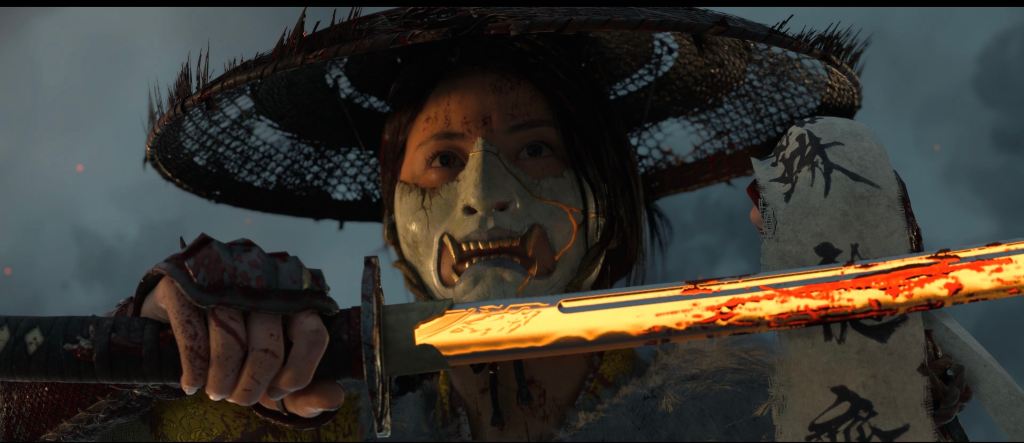
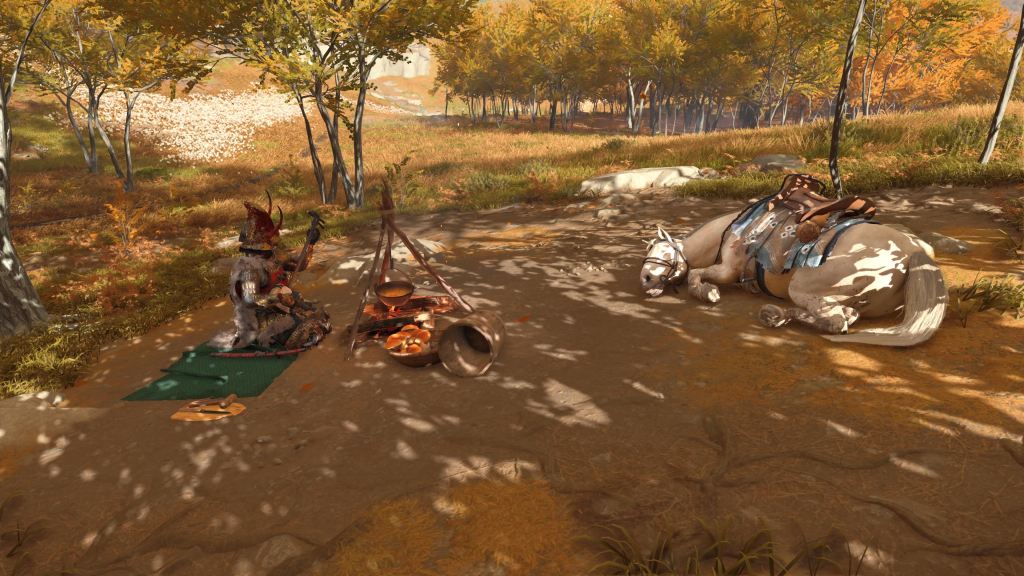
That’s an abridged version of the main story that drives the game’s narrative, but as a player, it’s easy to get lost or distracted in the world you get to explore. There are so many different side quests, map markers, and sub-objectives to find and complete that I reached 30 hours of gameplay before realizing I had barely scratched the main story. I had been happily dilly-dallying across the map while leveling up my character to their fullest potential.
This is a good thing for gameplay because it’s easy to get immersed, and you truly feel like you want to explore every inch of the world presented to you. Sucker Punch clearly learned what worked best in Ghost of Tsushima and evolved those mechanics to be even tighter and more satisfying. Climbing, combat, exploration, mini-games, and enemy bounties all feel improved since the first entry in the series. Overall, the main word I would use to describe the gameplay is simply “fun.”
That said, there are a few downsides to this new title. While it’s easy to get lost in the world of Ezo, fully progressing through the story feels like one of the weaker aspects of the game. Although the gameplay has been refined since the previous entry, the narrative feels less groundbreaking. Instead of playing as Ghost of Tsushima’s Jin Sakai—who abandoned his honor and defied his clan’s teachings to repel the Mongol invaders—you play through a revenge story that, while satisfying and full of strong characters, doesn’t quite deliver the same emotional impact.
As the player, you follow Atsu’s actions and constantly wonder how far is too far on this blood-soaked path of revenge, until eventually you’ve lost the last of your humanity in pursuit of vengeance. Stories like this often rely on a nuanced sense of guilt, where the audience realizes that revenge is never worth the price paid. If that sounds familiar, you might recognize similar themes in another PlayStation revenge narrative, The Last of Us Part II. While that story is more complex and, in my opinion, handles these ideas more effectively, it’s also a much more linear experience that doesn’t offer the same open-world exploration as Ghost of Yotei.
In Ghost of Yotei, so many other elements capture my attention more than the main story that I often found myself progressing only to unlock endgame items before returning to explore freely. I don’t think the story is bad by any means—Atsu is a worthy successor to the Ghost title—but I admit that I’ve seen similar plotlines in other games that resonated with me more.
To be fair, I’m probably making a bigger deal out of this than I need to. There’s so much else to love about this game that I often overlook my narrative complaints because I’m too busy enjoying everything else it has to offer.
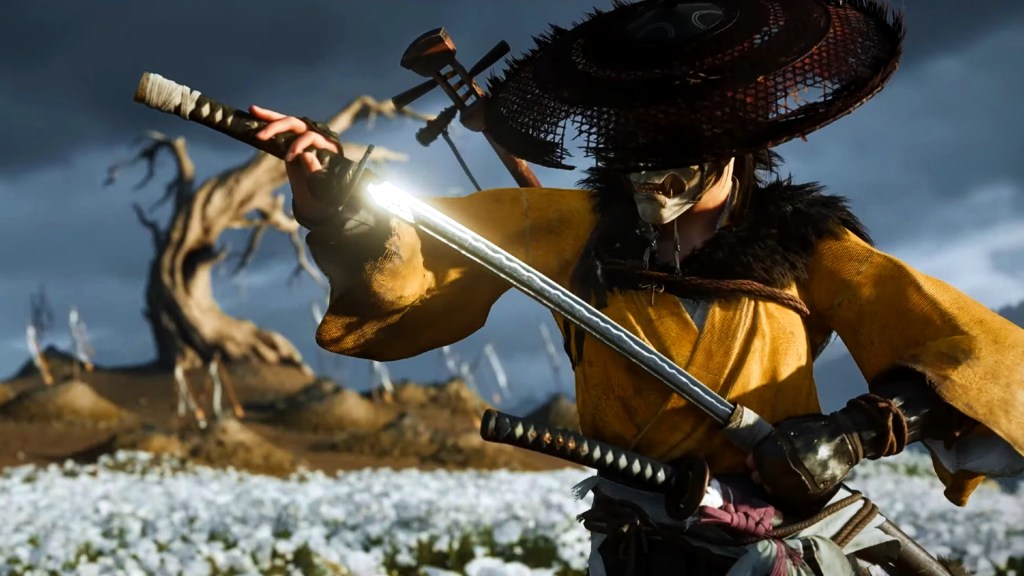
Not only that, but there are so many different ways to tackle objectives in Ghost of Yotei. You’re given a wide array of weapons, each with its own unique gameplay style and specific uses. Whether you’re sneaking through the shadows as a shinobi with archery and the kusarigama, or charging into battle with dual katanas and your loyal wolf companion, each approach feels incredibly satisfying.
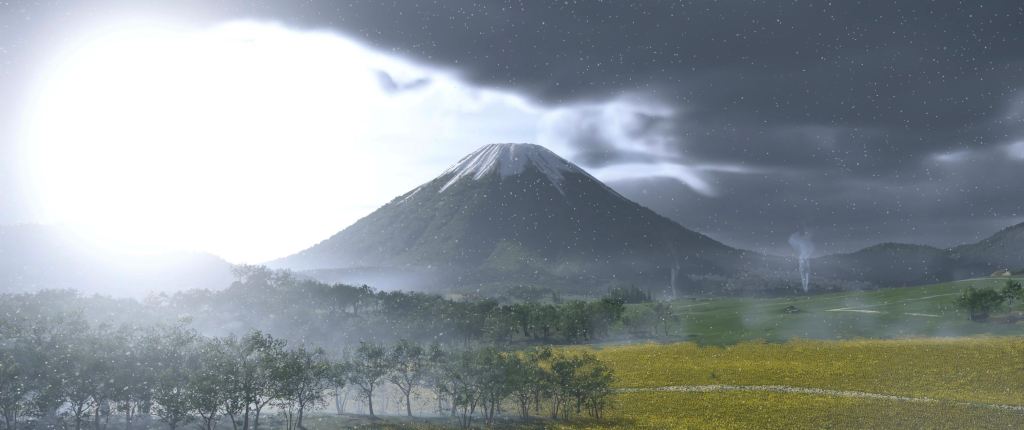
And let’s not forget how beautiful the game is. The scenery is breathtaking, with incredible attention to detail throughout the world. The way leaves scatter around you as you walk through piles of them, or how climbing to a high vantage point lets you take in the intricately detailed landscape—it’s stunning. I don’t blame anyone for spending hours in the game’s photo mode.
There’s so much to unpack about Ghost of Yotei, but truly, I can only recommend that players who own a PlayStation 5 experience it for themselves. Chances are, given how the game is structured, they’ll reach the same points I did but complete them in entirely different ways—and that’s something really special.
Lastly, I want to show appreciation for the game’s lead actress. The protagonist, Atsu, is played and motion-captured by Erika Ishii, who brings an incredible presence to the character. She does an amazing job with the performance and delivers real emotional weight to Sucker Punch’s script.
I recommend Ghost of Yotei to fans of samurai films, open-world adventures, Ghost of Tsushima, and anime.
 Screen Falcon