
*Minor Spoiler Warning about Game Mechanics*
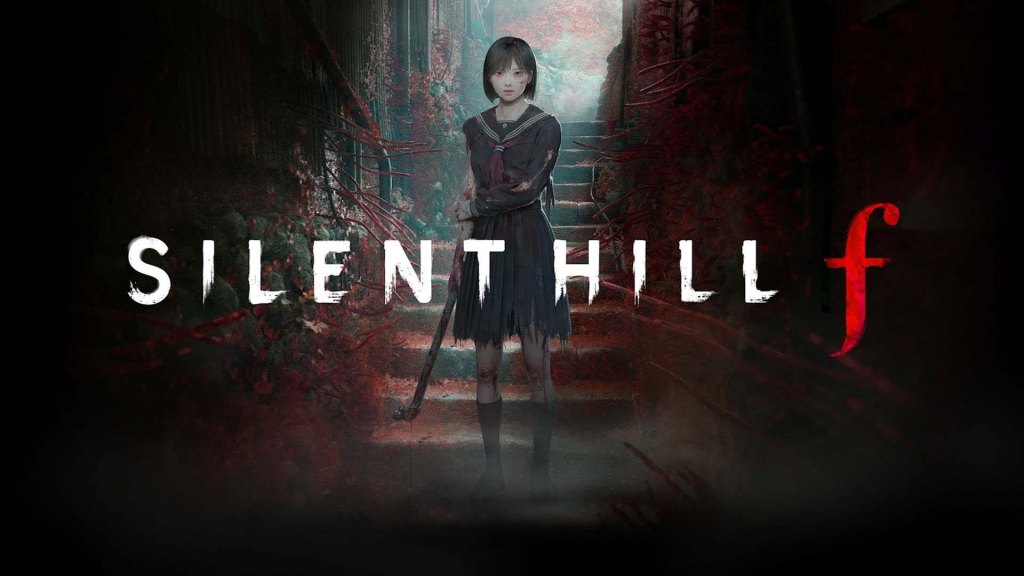
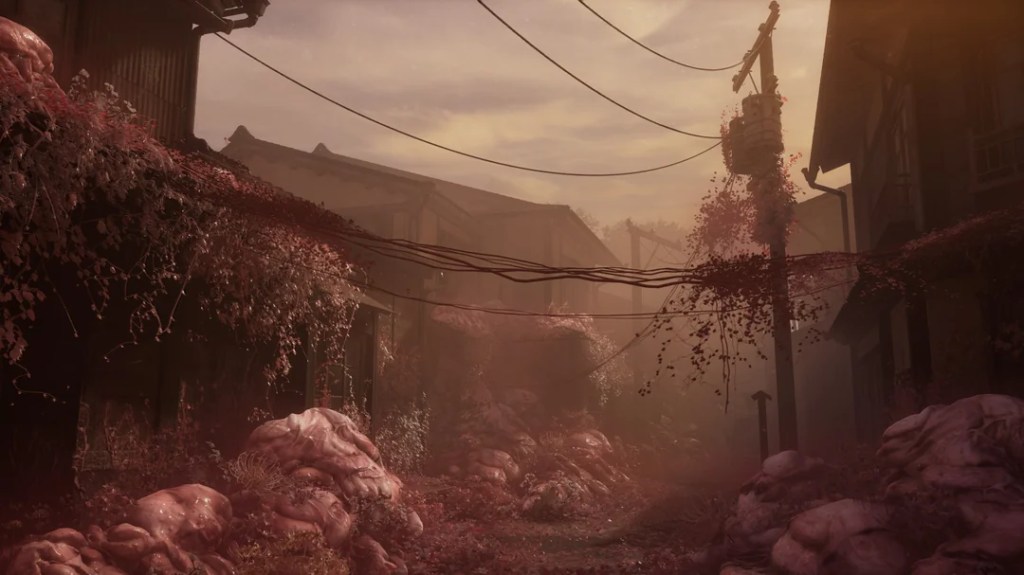
September 25th, 2025 marked the first new mainline installment in the Silent Hill series since 2012. Recently, the franchise has been experiencing a revival, welcoming new fans while allowing older ones to revisit past classics, such as the Silent Hill 2 Remake released last year. Silent Hill F isn’t just a continuation — it’s a bold new idea for the series. Set in 1960s rural Japan, rather than the familiar modern-day ghost town of Silent Hill that past entries have revisited time and again, this game ties the franchise’s psychological and survival horror roots into a fresh experience that breaks away from the monotony that left the series dormant for over a decade.
Silent Hill F follows our new protagonist, Shimizu Hinako, a teenage girl haunted by parental abuse, rigid societal expectations, and a lack of autonomy imposed by those around her. The story takes players through the monster-infested streets of Ebgisugaoka, where Hinako and her friends fight, solve puzzles, and search for survivors. Hidden messages and subtle themes unfold as the player explores the eerie village. By piecing together journals and documents, the player uncovers layers of meaning behind the story’s surface. However, this deeper truth cannot be fully grasped in a single run; it requires multiple playthroughs to reveal the game’s true ending.
Each attempt at uncovering Silent Hill F’s real story feels unique. Dialogue, cutscenes, item placements, side quests, certain puzzles, and even endings change from one run to the next. After finishing the game myself, it would’ve felt wrong of me to stop after just the first playthrough, since the “default” ending only scratches the surface of the overarching plot.
Like earlier entries, player choices determine which ending they reach — five in total. To unlock the true ending, players must fulfill certain conditions, including achieving two different endings first, before having a chance at the finale on their third run. The shifting story elements prevent the experience from becoming too repetitive and deliver some of the game’s most emotional moments. The loop works well for the expected three playthroughs, but can feel dragged out if you push for all of the endings.
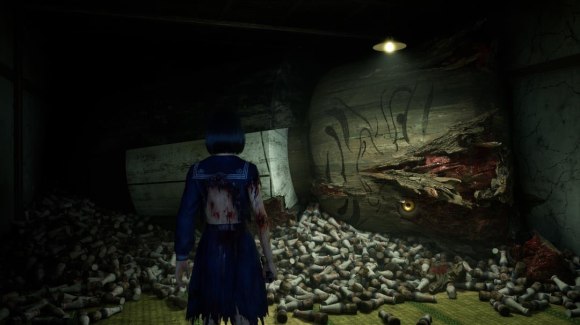
In New Game+, Hinako grows stronger, but so do the enemies. Once you’ve learned the game’s mechanics, fear starts to give way to frustration. While the extra endings are optional, the deeper you dig, the more the game’s repetitiveness shows, especially in its stiff combat, which often overshadows the puzzles. Later runs end up feeling more like a rush to the finish line, with combat taking center stage over discovery.
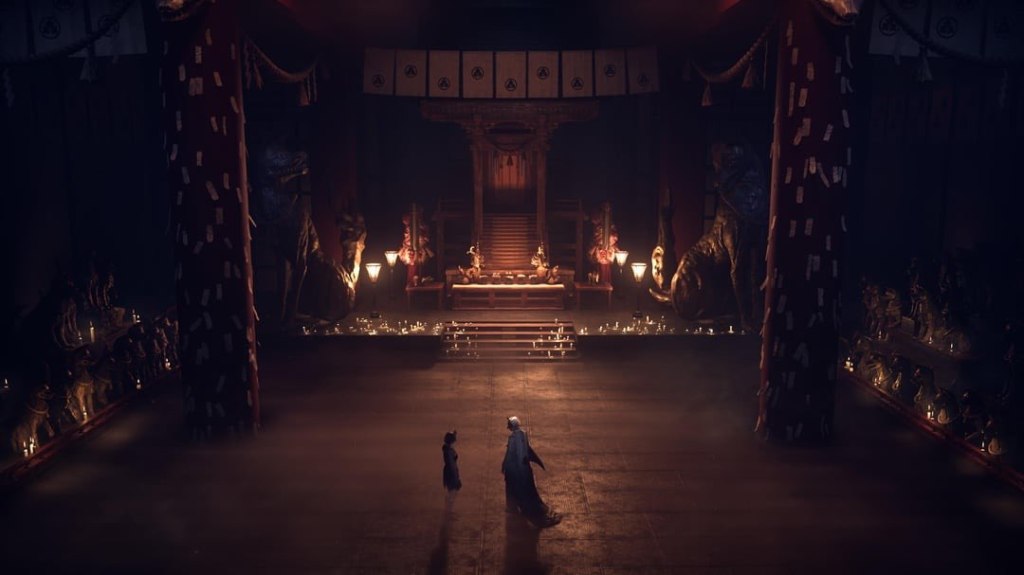
That said, sticking to the intended loop provides a deeply satisfying experience. The game is relatively short. My five runs averaged just 4.6 hours each, and it’s impressive how much story the developers managed to weave into that framework. Much of the horror here is graphic and in-your-face, but it still carries the “terror in beauty” motif that defines the game’s aesthetic. From demons controlling dolls in rice fields, to a fog-shrouded creature that spreads plants and fungi as it moves, to grotesque cult rituals, all wrapped in vintage Japanese folklore, Silent Hill F feels fresh compared to most big-budget horror titles of the last decade.
Despite its bold shifts, Silent Hill F still captures what makes the series iconic: psychological torment, branching player-driven stories, and layers of meaning hidden beneath the surface.
Silent Hill F succeeds as an imaginative new entry in the franchise. Developers Neobards and Konami clearly studied what made the golden age of Silent Hill so memorable and infused it with their own bold style. While I wouldn’t recommend it over Silent Hill 2 for newcomers, I’d strongly suggest it to fans who already love what the series stands for.
Recommended for fans of: Silent Hill 2, Resident Evil, Survival Horror, Japanese Aesthetics
 Screen Falcon